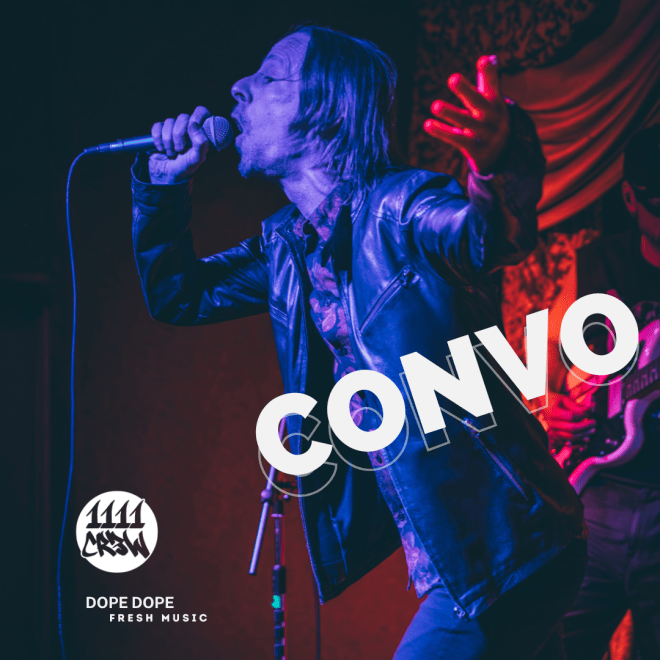
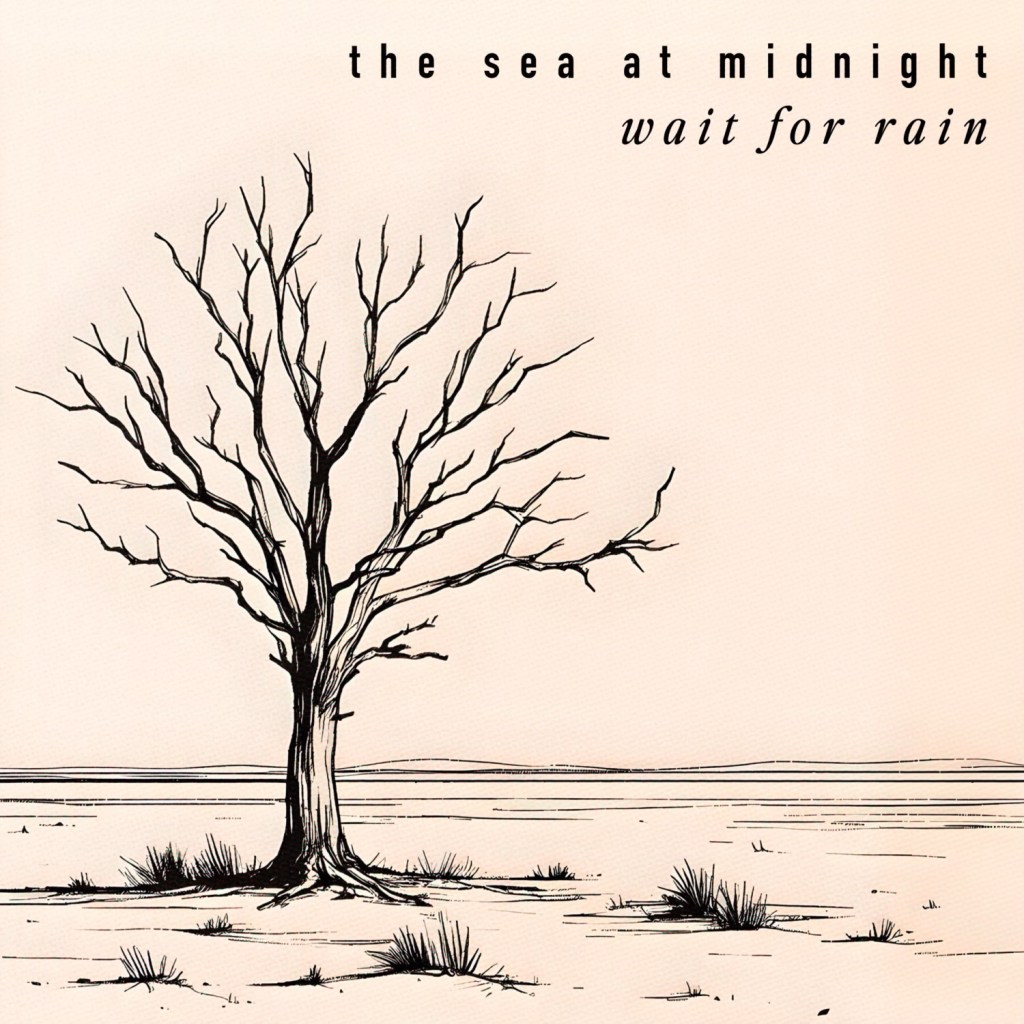
Released on October 4, 2024, “Wait For Rain” by The Sea At Midnight is a poignant exploration of one of humanity’s most pressing challenges: climate change. This evocative single transports listeners into a stark reality shaped by severe droughts, devastating wildfires, and a planet increasingly in peril. Through haunting lyrics and atmospheric melodies, the track doesn’t merely recount these crises but serves as an emotional call to action—a plea to safeguard the earth for generations to come.
The man behind The Sea At Midnight is Los Angeles-based singer-songwriter Vince Grant, whose introspective songwriting is elevated by the production genius of Chris King (Cold Showers, Kai Tak). Together, they have forged a sound that melds post-punk, new wave, and synth-pop into a mesmerizing, deeply resonant experience.
The inspiration for “Wait For Rain” came during California’s prolonged drought, where dwindling reservoirs, water shortages, and escalating wildfires underscored the precarious balance between humanity and nature. Grant recalls witnessing firsthand the vulnerability these challenges brought, from the relentless smoke of nearby fires to the competing demands for water across the Western United States. The song emerged as a response—a visceral reflection on these cascading effects of climate change.
The partnership between Vince Grant and Chris King has been a defining force behind The Sea At Midnight’s sound. Grant describes working with King as transformative: “Chris has this incredible ability to balance the emotional weight of the lyrics with music that amplifies those feelings. He takes my raw ideas and elevates them, introducing layers—whether it’s a bassline, synth texture, or guitar riff—that give the songs depth and dimension.”
While “Wait For Rain” wasn’t created with an explicit agenda, its impact on listeners suggests the power of music to inspire reflection. “If the song makes people pause and think about the reality of these issues, even for a moment,” Grant says, “then that’s more than I could have hoped for.”
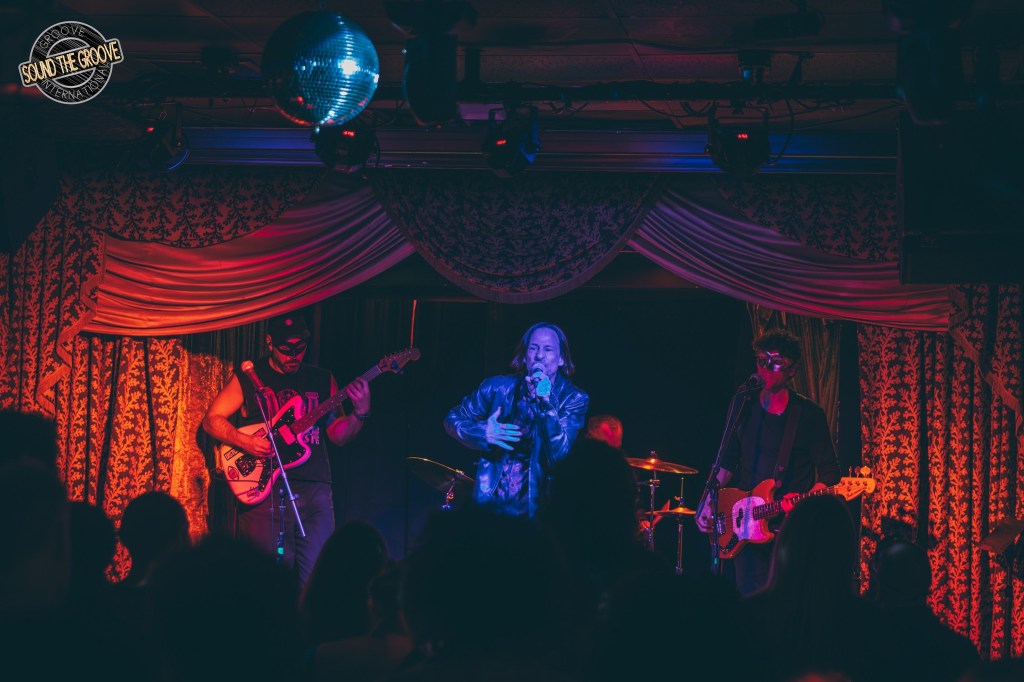
The Sea At Midnight has also touched on other facets of climate change in previous tracks, such as “Burning” and “Chopping Them Down,” which address wildfires and deforestation, respectively. These songs form a compelling narrative, one that highlights both the urgency of action and the emotional weight of living through a changing world.
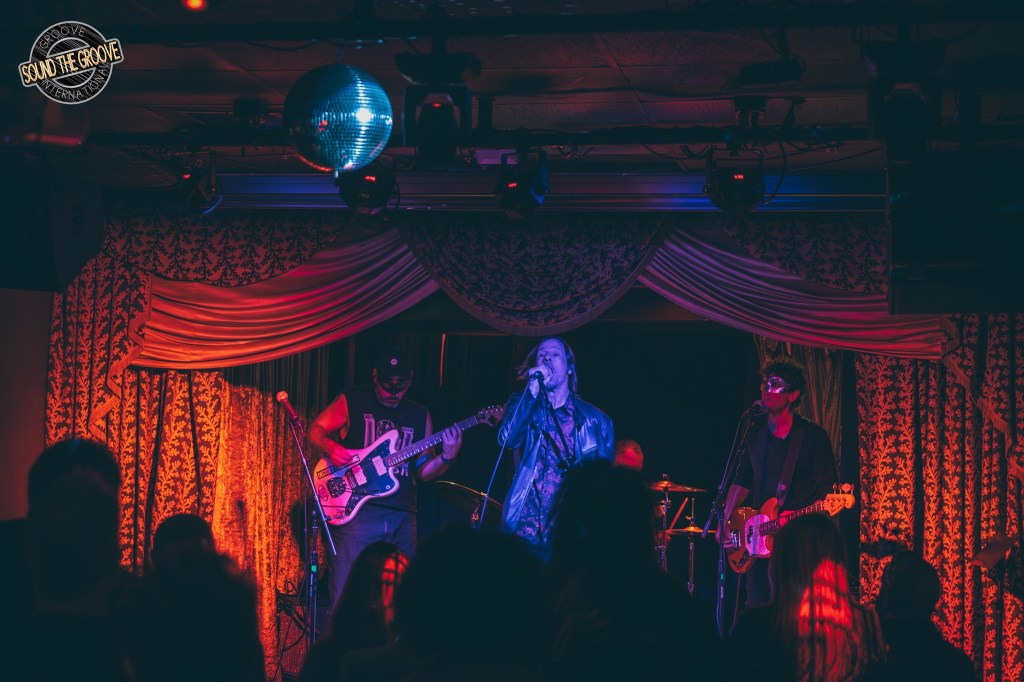
Over the past year, The Sea At Midnight has been playing throughout Los Angeles, with more shows scheduled for early 2025. Performing “Wait For Rain” live for the first time revealed the song’s resonance with audiences, even without an overt explanation of its themes. Looking ahead, Grant envisions incorporating visuals and storytelling into performances to deepen the connection with listeners and amplify the message behind the music.
For Vince Grant, songwriting has always been a way to process heavy emotions—whether rooted in personal struggles or global crises. Through tracks like “Wait For Rain” and his upcoming release “Our Brilliant Destruction” (January 16, 2025), he continues to channel his reflections on a world in flux into music that is both cathartic and thought-provoking.
With “Wait For Rain” and his growing catalog of climate-themed tracks, The Sea At Midnight offers more than music; it offers a vision of what’s at risk and a call to cherish what remains.
“Wait For Rain” dives deep into the pressing issue of climate change. Can you share the moment or experience that first sparked the inspiration for this track?
“The inspiration for Wait For Rain came during a prolonged drought that we experienced here in California over several years. It was impossible to ignore the constant news stories about farmers in the Central Valley—one of the nation’s most vital agricultural hubs—struggling to grow crops due to water shortages. Reservoirs across the state and the Southwest were at critically low levels, and the Colorado River, a key water source for seven states, was drying up. This led to reports of water rationing and states competing for water rights, which highlighted just how dire the situation had become.
On top of that, the drought fueled devastating wildfires across the western United States, including many near Los Angeles. I experienced those fires firsthand through the relentless smoke and the sense of vulnerability they brought. These challenges aren’t unique to the U.S.; droughts and wildfires have wreaked havoc worldwide, affecting places like Canada, Australia, and Europe. All these experiences and
observations came together to inspire this track.”
Your lyrics often carry an emotional weight. How do you balance the raw vulnerability of your themes with the atmospheric, synth-driven soundscapes you create?
“The lyrics always serve as the emotional core and foundation of the song, carrying a certain mood that sets the tone. From there, the goal with the music is to use the instrumentation to enhance and amplify those emotions.”
With Chris King’s production expertise, what unique elements did he bring to “Wait For Rain” that helped realize your vision?
“Chris is an incredible multi-instrumentalist, and he has an innate feel for how to bring out the emotional depth of a song. He also has an amazing ear for production and he’s always conscious of balancing the emotional weight of the lyrics with the music. Through his skill as both as a musician and a producer he was able to translate the emotions of the song into something that I feel is sonically meaningful “
How does the collaborative process with Chris King diXer from working solo, and how has it shaped the evolution of The Sea At Midnight’s sound?
Collaborating with Chris King has been a transformative experience for both me and the music. When I work solo, it’s a very introspective process, focusing on the raw emotions and the core structure of the song. My writing typically starts on guitar—often acoustic— but working with Chris takes the music to an entirely new dimension.
Chris brings a fresh perspective, along with incredible production expertise and musicianship, that pushes the songs far beyond what I could achieve alone. He often introduces elements such as a particular drum pattern, a bass line, a guitar solo, or a unique texture or atmospheric layer created with synths or guitars that elevate the songs far beyond what I’d be able to do on my own. His production techniques and mixing ability also make the songs more expansive, giving them a depth that I would not be able to achieve solo.
Chris’s collaborative input has been instrumental in shaping the evolution of The Sea At Midnight’s sound. Honestly, without him, there might not even be The Sea At Midnight—at least not in its current form. His contributions have been invaluable to bringing this musical project to life.”
Your song focuses on severe drought and its cascading efects. How do you hope “Wait For Rain” contributes to the conversation around climate change?
Honestly, I didn’t set out with any specific hopes for how ‘Wait For Rain’ would contribute to the climate change conversation. It was more about expressing the reality of the situation that we’re in. That said, from the reviews and feedback that have come in so far, people really seem to be connecting with the lyrics, which shows the power of music to resonate and spark reflection. If the song makes people pause and think about the reality of these issues, even for a moment, then that’s more than I could have hoped for.”
Beyond the music, are there any environmental causes or initiatives that you’re passionate about supporting or highlighting?
There aren’t any specific environmental causes or initiatives that I’m actively supporting, but I feel deeply passionate about climate change and its devastating efects. The first single “Burning” touched on a number of the consequences of climate change such as wildfires, drought, floods, extreme heat and rising global temperatures, melting glaciers and the denial of many of our so-called leaders that there is even such a thing as climate change and what that could mean for our collective future. “Wait For Rain” focuses more narrowly on severe drought and its ripple efects like wildfires, crop failure, water shortages and extreme heat.
You’ve been performing around Los Angeles and have upcoming shows in early. How does the live audience’s response shape your understanding of your music’s impact?
We’ve only played “Wait For Rain” live once, and I introduced it simply as a new song in our set, without going into detail about its themes. We performed it like any other song in our live set, although it was well received by the audience, and we got an enthusiastic response.
Do you have any plans to incorporate the themes of “Wait For Rain” into your live performances, perhaps through visuals or storytelling on stage?
As more climate change-themed songs make their way into our live set, I might start introducing them with some context about the lyrics and have thought about incorporating visuals to enhance the experience, though right now, my focus is on finishing and releasing the other songs in this series. It will be interesting to see how these ideas might evolve as we keep performing them.
Looking back at your journey as an artist, how has your songwriting evolved to address broader social and environmental issues?
“When I started out as an artist, my songwriting was more introspective, focusing on personal experiences and emotions. Over time, I felt a growing pull to address larger topics more outside myself that deeply aXect us all. Climate change, for instance, became impossible to ignore—not just as a global crisis but as something impacting real lives in profound ways. This shift led me to write songs like ‘Burning’ and ‘Wait For Rain,’ which explore the consequences of climate change from diXerent angles.”
Are there other songs in your catalog, like “Burning”, that explore similar themes, and how do they connect to the overarching narrative you’re building with The Sea At Midnight?
Yes, have a new climate change themed song called “Our Brilliant Destruction” that should be out on January 16th. Also previously released a couple of other songs around the same time as “Burning” and “Wait For Rain” that also deal with climate change. One is called “Chopping Them Down” which is about the destruction of rain forests worldwide which seems like insanity to me that in the midst of climate change caused by rising CO2 levels we would chop down trees that are essential in processing and breaking down CO2. Pure madness. The other is entitled “Midnight Sun” which is a postapocalyptic climate change vision of unchecked wildfires with the world perpetually shrouded in smoke.
You’ve mentioned letting the lyrics speak for themselves. If you could distill the message of “Wait For Rain” into one sentence, what would it be?
“No water, no life.”
As a songwriter and storyteller, how do you personally cope with the emotional weight of addressing heavy topics like climate change?
Songwriting is actually one of my biggest emotional coping mechanisms. It’s how I process heavy topics, whether it’s depression, addiction, alcoholism, or climate change. Sorting through my feelings and putting them to music helps me make sense of the emotions surrounding them and find some peace.
Beyond songwriting, my daily yoga and meditation practice helps me immensely and nature is a huge balm for me—I love hiking, biking along the ocean, and getting out of LA to more rustic, beautiful spots like Joshua Tree. Exploring national and state parks is another way I recharge. I went to Yellowstone this fall, and it was both majestic and deeply relaxing. Being immersed in nature and especially seeing wildlife in their natural setting provides a sacred healing expreience to me.
What do you hope listeners take away from “Wait For Rain” and your music overall?
I hope listeners enjoy ‘Wait For Rain’ and my music overall, not just for the melodies and arrangements but also for the meaning behind the lyrics. Hopefully they get a sense of the passion and concern that went into creating these songs. If the music resonates on an emotional level and makes them think, even just a little, about the themes being explored, that would mean a lot to me.”
Finally, what’s next for The Sea At Midnight? Can fans expect a full album or new releases exploring similar themes?
“Building on the themes explored in Wait For Rain, I’m going to be releasing another climate change-themed song, Our Brilliant Destruction, on January 16th. This track, along with a couple of similarly themed songs to follow, will culminate in an EP set to release on Earth Day, April 22nd.”
 The Hollywood Six